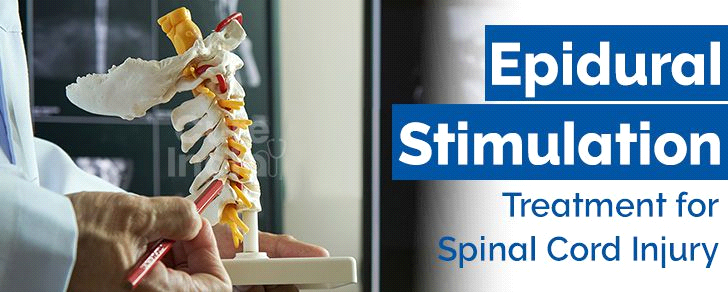
What is Epi-Stim for Spinal Cord Injury?
Epi-Stim or Epidural stimulation treatment is a breakthrough procedure for spinal cord injury patients, which allows them to regain motor and autonomic functions. Introduced to patients outside of clinical trials by NuRaX clinic in India, Turkey, Azerbaijan and now in Dubai center, it quickly became the most promising spinal paralysis treatment modality in the world. The surgery, suitable for both quadriplegics and paraplegics, offers a unique opportunity to change the lives of patients post spinal cord injury.
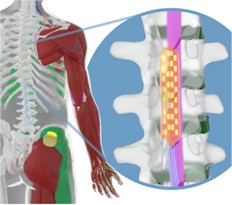
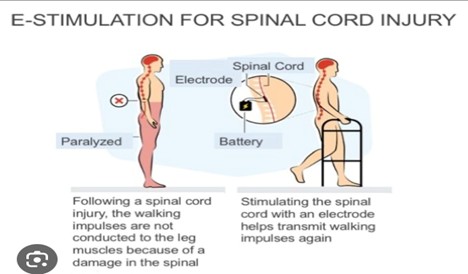
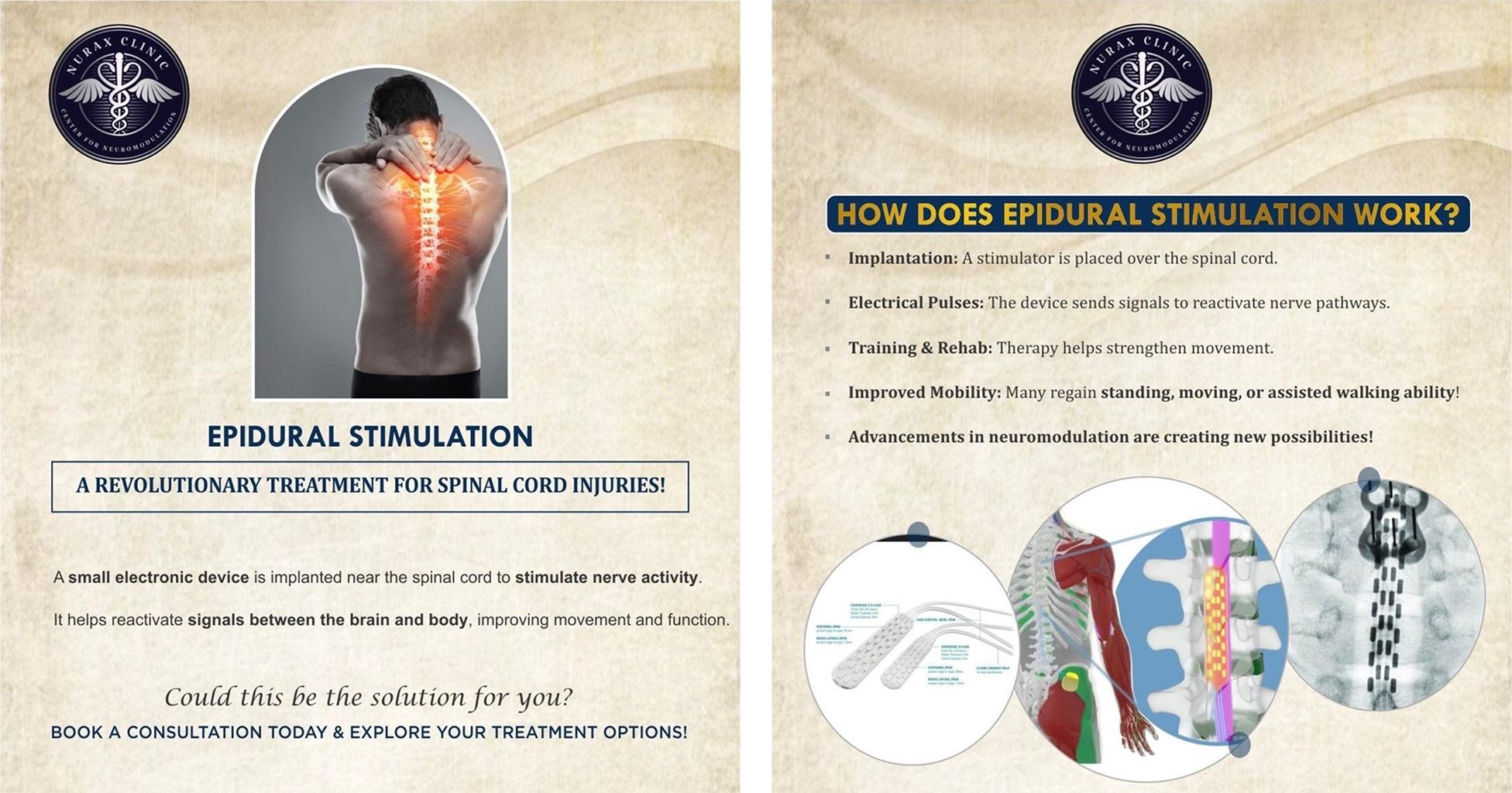
The first step of Epi-Stim treatment is a surgery which involves the implantation of a spinal cord chip into the epidural space of the spine, which then gets connected with one small battery called a Neuro-Stimulator. This system acts as a 'bridge', amplifying disrupted brain signals and directing them to the areas responsible for motor function below the injury level. The device emits an electrical current, which produces voluntary muscle contraction and movements.
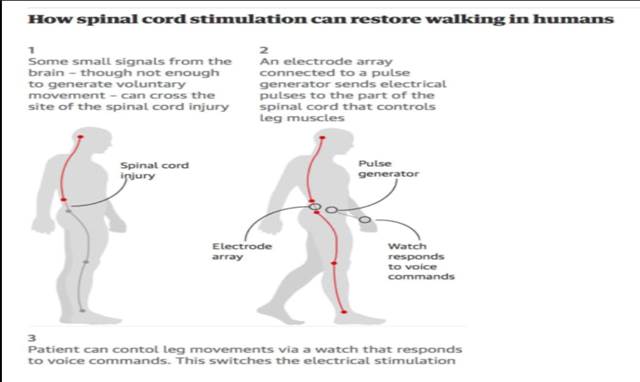
Once the stimulator is implanted, the NuRaX Epi-Stim specialist team works to program the stimulator, tailoring the intensity and frequency of the current to each patient's body and individual needs. During the minimum 40-50 days stay, patients work with the NuRaX team to learn how to re-train their body to move again and become more independent.
Who is Eligible?
Eligibility criteria for Epi-Stim treatment:
- Have either complete or incomplete spinal cord injuries
- Have spinal cord injuries between C4-T10 levels
- Are at least 12 months post-injury
- Are over 16 years of age
- Have either transverse Myelitis or any spinal infections
Individual assessments are performed based on each patient's unique situation. Before consultation, a treatment evaluation is prepared based on medical files provided during the initial inquiry.


Benefits of Epidural Stimulation
Epi-Stim is a next-generation treatment for spinal cord injury, taking treatment one step further than traditional methods. There are three key areas impacted by spinal cord injury — motor function (movement), sensory function (feeling), and autonomic function (bodily functions). Traditional methods such as physical and occupational therapy can have some impact on motor function, but epidural stimulation can physiologically improve all three functions:
- Voluntary movement below the level of injury
- Ability to stand up and take steps
- Improved strength and stamina
- Increased sensation
- Regulation of body temperature
- Reduction of spasms
- Stabilized blood pressure
- Improved bladder and bowel control
Despite the high impact of the treatment, the device implantation surgery itself is minimally invasive, quick, and low risk, with a short recovery time. The improvement of motor, sensory and autonomic functions greatly impacts the quality of life and gives patients renewed hope for the future. NuRaX acts as a continued partner to patients' recovery journeys, helping them feel supported before, during, and after the treatment.
The Treatment Process
Comprehensive Evaluation
Complete neurological examination, MRI of the spine, and detailed electrophysiology studies to assess the spinal cord condition and identify any residual neural activity below the injury level.
Surgical Implantation
The epidural electrode array is surgically implanted over the lumbosacral spinal cord. The procedure is performed by experienced neurosurgeons using advanced imaging guidance for precise placement.
Intensive Rehabilitation
Following implantation, patients enter a rigorous 6-8 weeks intensive rehabilitation program combining epidural stimulation with specialized locomotor training, physical therapy, and activity-based recovery exercises.
Programming Optimization & Ongoing Therapy
Stimulation parameters are continuously refined based on the patient's progress. Ongoing therapy and remote monitoring support long-term functional gains and continued improvement.
The NuRaX Epi-Stim Program
NuRaX has developed one of the most comprehensive epidural stimulation programs available worldwide:
- Proprietary protocols developed by Prof. Dr. Pritam Majumdar, drawing on years of research and clinical experience in spinal cord neuromodulation.
- Led by Prof. Pritam, the NuRaX Rehab programming team oversees both rehabilitation and epidural stimulation programming, ensuring precise parameter optimization for every patient.
- Comprehensive 6-8 week intensive programs combining surgical implantation with structured rehabilitation, locomotor training, and progressive functional milestones.
- Ongoing remote monitoring and support enabling continued care and stimulation adjustments after patients return home, ensuring sustained progress over the long term.