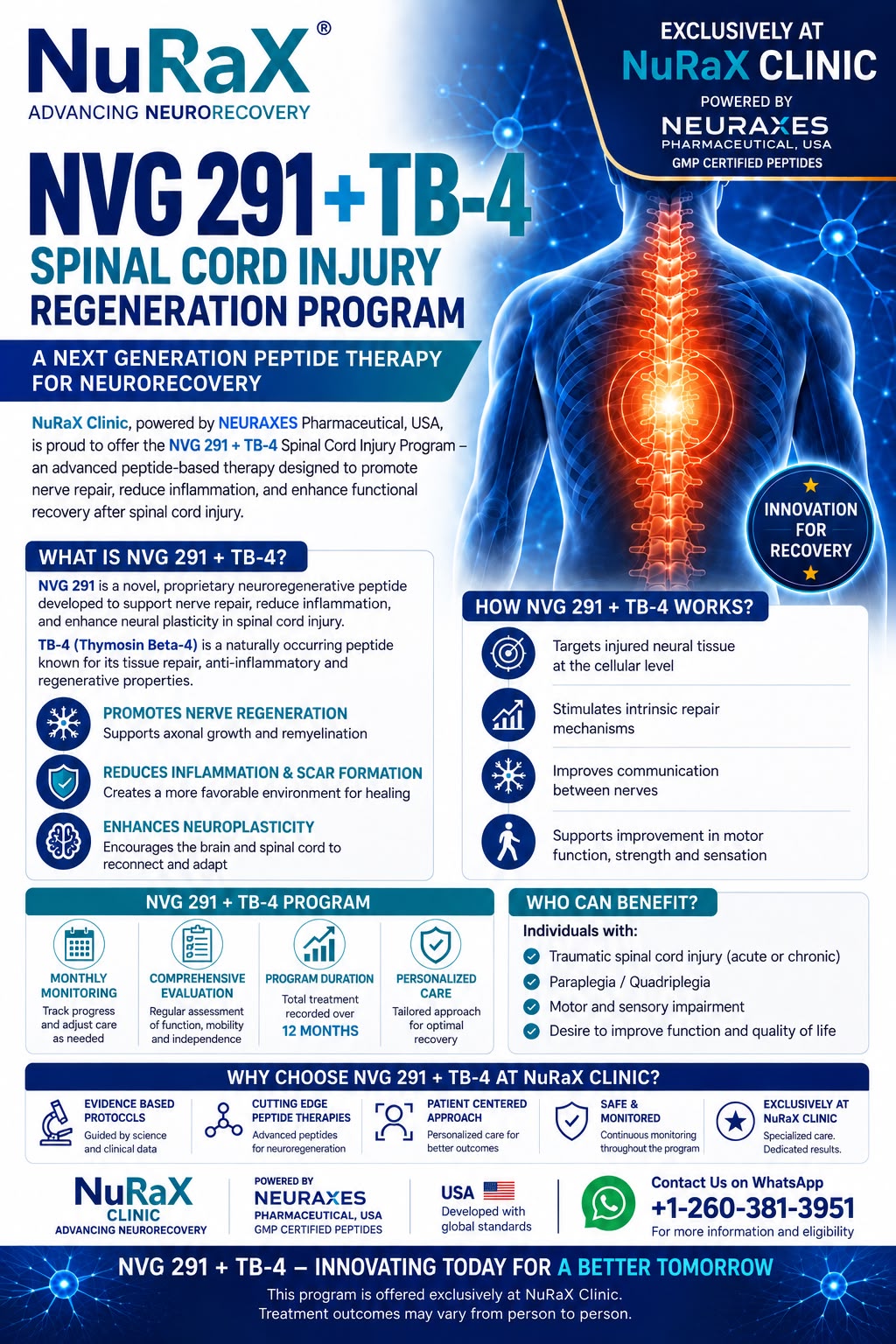
Advances in spinal cord injury research have led to the development of innovative therapies that aim to improve neurological recovery. While stem cell therapy has been widely investigated for its regenerative and anti-inflammatory properties, NVG-291 with Thymosin Beta 4 Peptides represent a newer therapeutic strategy designed to directly address one of the major biological barriers to nerve regeneration.
Unlike stem cell therapy, which introduces regenerative cells to support healing, NVG-291 is a peptide designed to block the inhibitory effects of scar tissue molecules that prevent damaged nerve fibers from regenerating. By targeting the PTP receptor, NVG-291 seeks to promote axonal regeneration and neural plasticity, potentially allowing injured nerve pathways to reconnect.
Why Peptide Represents an Advanced Scientific Approach
- Targets a specific biological mechanism that limits nerve regeneration.
- Designed to overcome the inhibitory effects of spinal cord scar tissue.
- Stimulates the body's own regenerative capacity rather than introducing external cells.
- May complement rehabilitation and neuromodulation by promoting neural reconnection.
- Represents a next-generation investigational regenerative strategy currently being evaluated in clinical research.
NuRaX Advanced Peptide Therapy Program
6 to 12-Month Regenerative Peptide Treatment for Spinal Cord Injury
Treatment Protocol
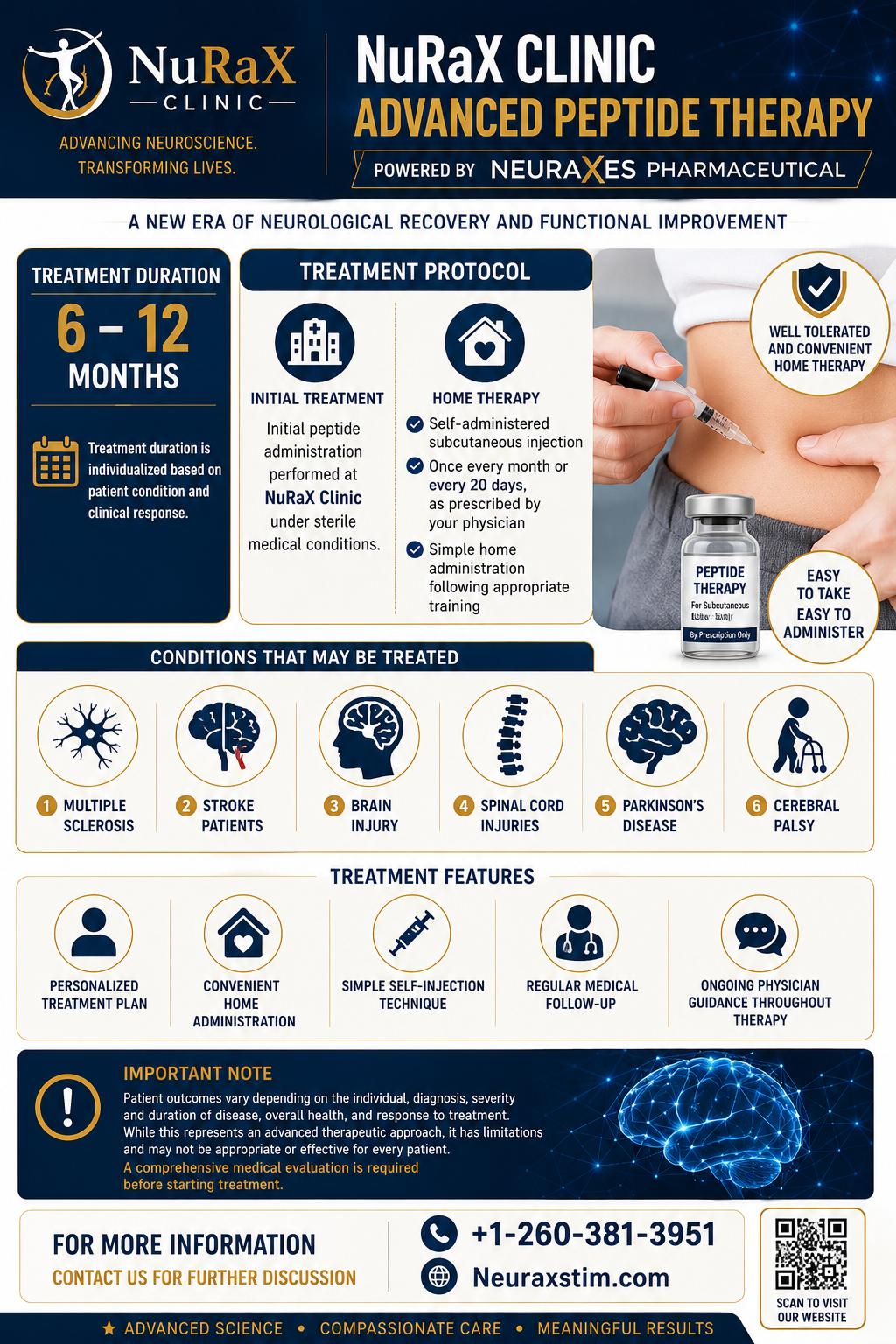
Our peptide therapy program is designed to provide continuous regenerative support through a structured 6 months to 12-month treatment plan which is completely depends on patient to patient and their injury level.
Paraspinal Peptide Administration
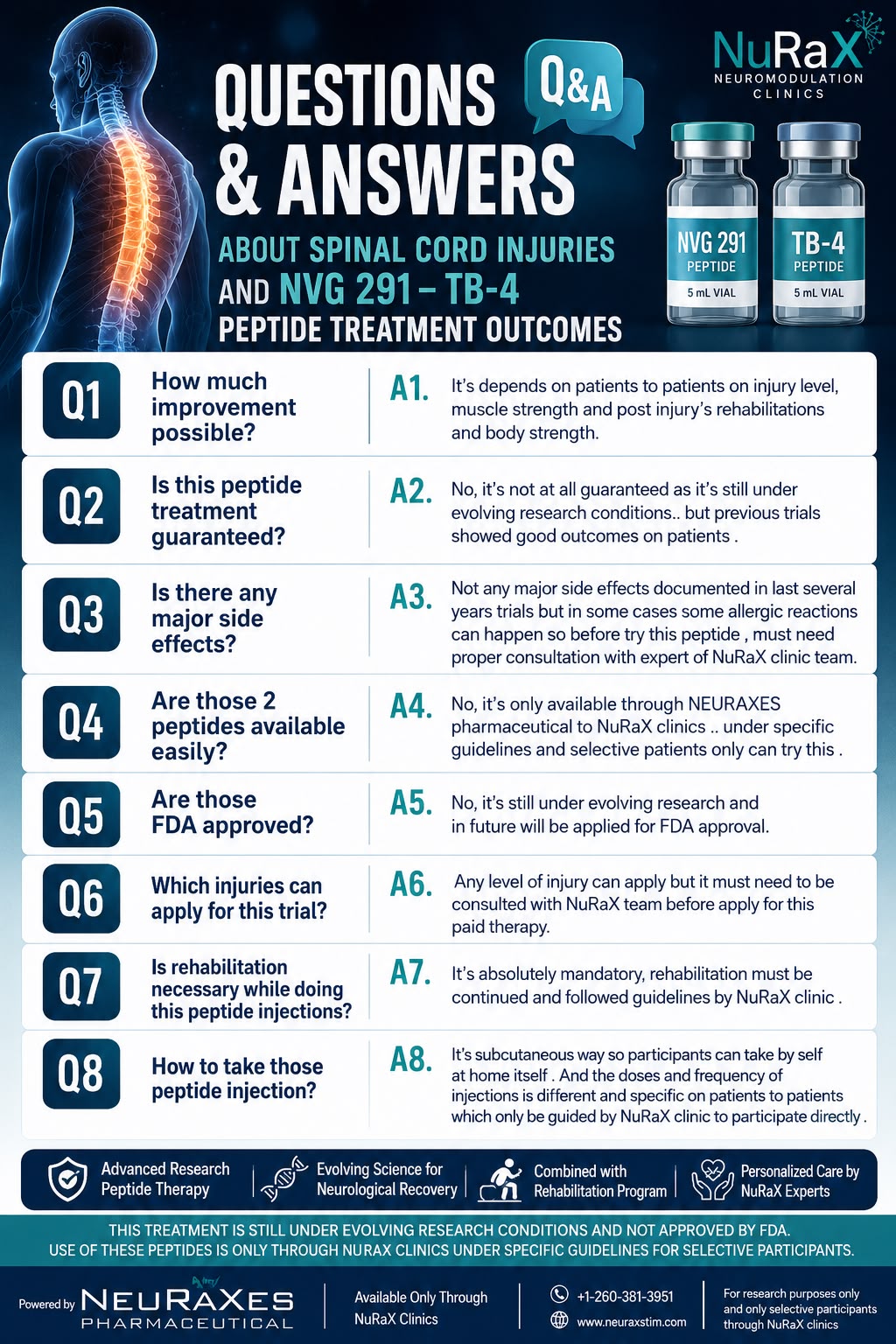
Your treatment begins at the NuRaX Clinic, where our specialist team performs a paraspinal peptide injection under sterile medical conditions. This initial procedure is carried out by experienced physicians as part of your individualized treatment program. But this step only for specific patients not for everyone.
Monthly Home Injections Therapy
Following your paraspinal treatment, you will continue therapy at home with one to two subcutaneous peptides injection every month or twice a month depends on patients injury and conditions.
Before discharge, our medical team will:
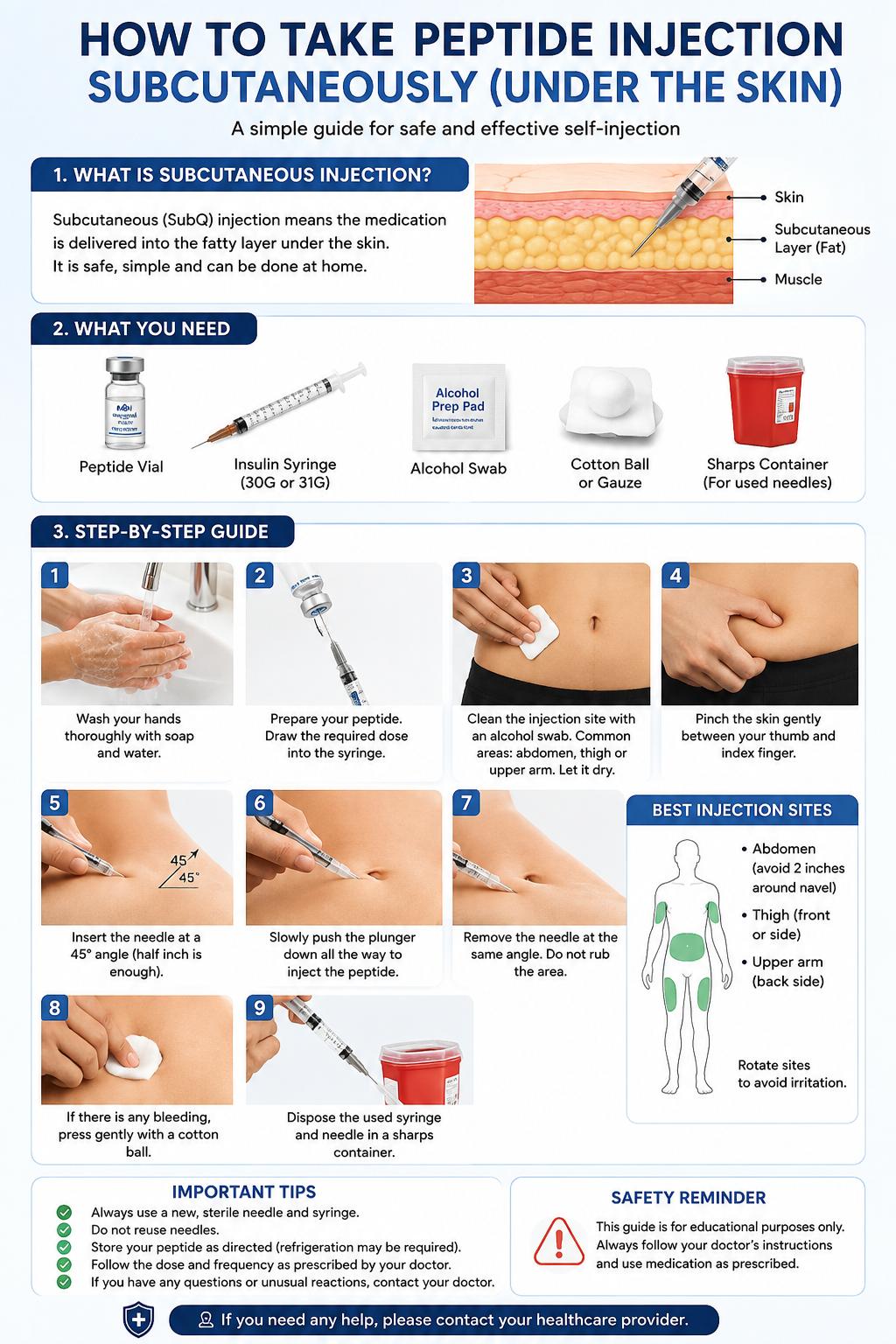
- Provide complete hands-on training on the injection technique.
- Teach you how to safely prepare and administer the injection.
- Answer all your questions regarding storage and handling.
The subcutaneous injection is designed to be self-administered (or administered by a family member or healthcare professional if preferred).
6 to 12-Month Treatment Schedule
- Initial Paraspinal Peptide Injection at NuRaX Clinic
- 2 peptide vials supplied for home treatment for 6 months.
- 4 peptides vials for 12 months treatment plan.
- One or two subcutaneous injection every month depends on patients need.
- Adjuvant Continuous treatment with special peptides along with NVG 291 peptides for faster healing and recovery. But its patients specific treatment plan.
- Regular follow-up with the NuRaX medical team to monitor progress and provide ongoing guidance
Patient Support
Our team remains available throughout your treatment to provide:
- Medical follow-up
- Treatment guidance
- Injection support
- Progress evaluation
- Personalized recommendations based on your recovery
Our Commitment
At NuRaX Clinic, we believe that long-term regenerative therapy should be accompanied by continuous medical supervision, patient education, and individualized care to optimize each patient's rehabilitation journey.
NuRaX Clinic — Advanced Regenerative & Neuromodulation Program for Spinal Cord Injury
Advanced Peptide Therapy for Neurological Recovery
Understanding NVG-291, Thymosin Beta-4 & BPC-157
Hope Through Regenerative Medicine
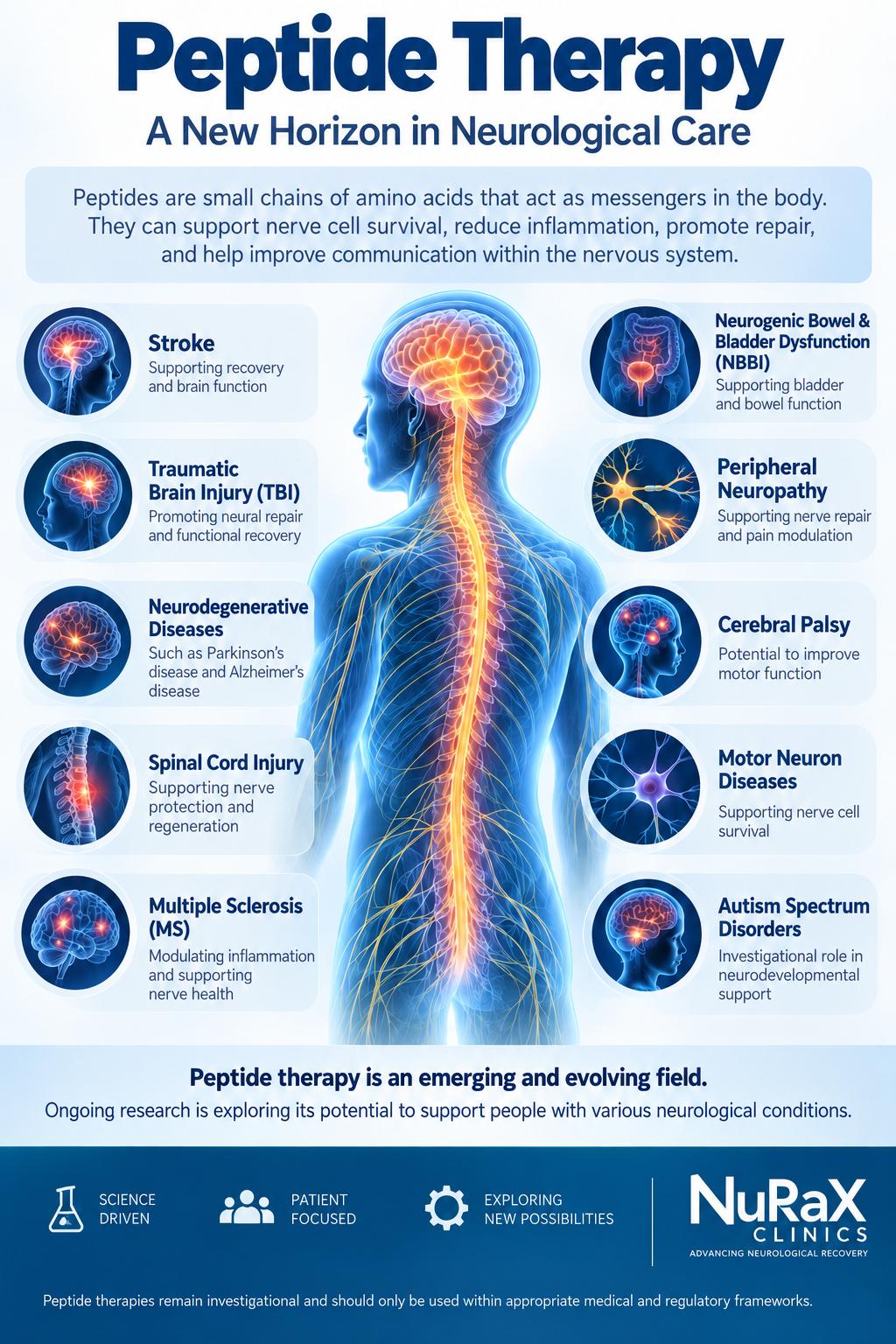
Spinal cord injury and neurological disorders can disrupt the communication between the brain and the body, leading to paralysis, weakness, sensory loss, and impaired daily function. Modern regenerative medicine is exploring innovative peptide-based therapies that aim to support the body's natural repair mechanisms.
At the center of this research are three promising peptides:
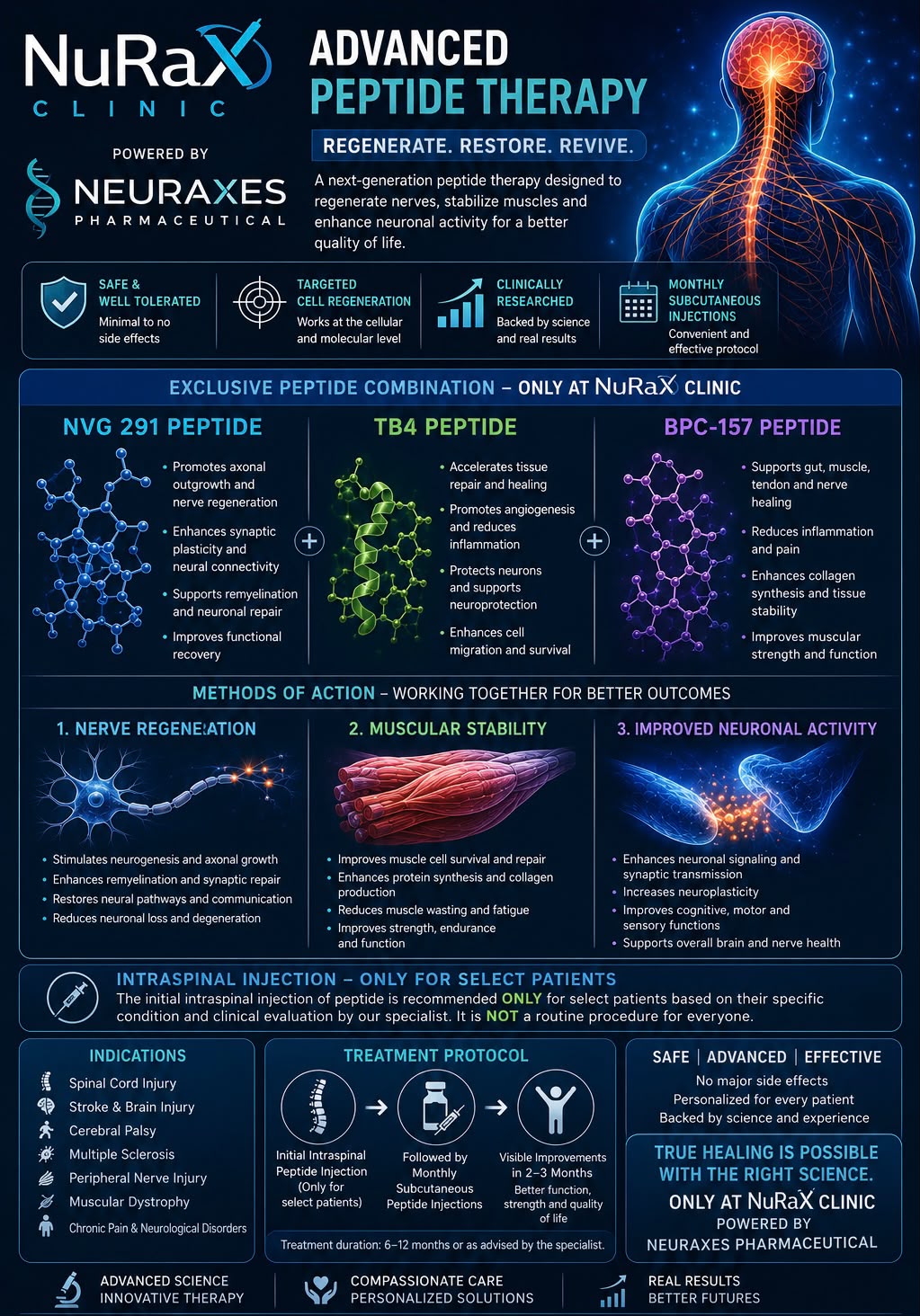
- NVG-291
- Thymosin Beta-4 (TB-4)
- BPC-157
- Thymosin Alpha 1
Each peptide works through different biological pathways that may contribute to nerve repair and functional recovery. Most of the evidence for TB-4 and BPC-157 comes from laboratory and animal studies, while NVG-291 has progressed into human clinical trials for spinal cord injury.
NVG-291
Restoring Communication Within the Nervous System
Following spinal cord injury, scar tissue forms around the injured area and releases molecules that inhibit nerve regeneration.
NVG-291 is an investigational peptide designed to overcome these natural barriers by promoting:
- Axonal regeneration
- Neural plasticity
- Synaptic reconnection
- Improved communication between the brain and spinal cord
- Functional neurological recovery
Early clinical studies suggest improvements in neurological function in some individuals with spinal cord injury, although further research is ongoing to establish its effectiveness and long-term safety.
Thymosin Beta-4 (TB-4)
Supporting the Body's Natural Healing Response
Thymosin Beta-4 is a naturally occurring peptide present in many human tissues. Research suggests it may help by:
- Reducing inflammation
- Protecting nerve cells
- Supporting new blood vessel formation (angiogenesis)
- Promoting tissue repair
- Supporting remyelination
- Enhancing cellular migration to injured tissue
These biological actions may create a more favorable environment for healing following neurological injury. Most supporting evidence comes from preclinical studies.
BPC-157
Supporting Tissue Repair and Neuroprotection
BPC-157 is a synthetic peptide originally derived from a protective protein found in the stomach. Preclinical research suggests that BPC-157 may:
- Reduce inflammation
- Support blood vessel formation
- Promote tissue healing
- Help protect nerve cells
- Reduce oxidative stress
- Support peripheral nerve recovery
Animal studies in spinal cord injury have demonstrated improvements in neurological recovery, although robust human clinical evidence remains limited.
Thymosin Alpha-1 (T1)
Thymosin Alpha-1 is a synthetic peptide derived from thymosin 1, a naturally occurring peptide involved in immune regulation and cellular signaling. It has been investigated for its effects on immune responses, inflammation, and tissue repair.
In neuroscience and neurorehabilitation research, T1 is of interest because neuroinflammation and immune dysregulation contribute to secondary injury and progression in conditions such as multiple sclerosis, stroke, and traumatic brain injury. Preclinical research suggests that T1 may influence inflammatory pathways, immune-cell activity, and the balance between pro- and anti-inflammatory responses.
Potential research areas include:
- Neuroinflammation and immune modulation
- Multiple sclerosis and other neuroinflammatory disorders
- Post-stroke inflammatory response and recovery
- Neuroprotection and tissue-repair mechanisms
- Modulation of innate and adaptive immune responses
How These Peptides May Complement Each Other
Each peptide targets different aspects of the healing process:
NVG-291
Focus: Neural regeneration
- Encourages nerve fiber growth
- Supports reconnection of damaged pathways
- Promotes neuroplasticity
Thymosin Beta-4
Focus: Biological repair
- Modulates inflammation
- Promotes tissue repair
- Supports angiogenesis
BPC-157
Focus: Cellular protection
- Supports tissue healing
- Helps maintain blood supply
- Provides neuroprotective support
Thymosin Alpha-1
Focus: a synthetic peptide derived from thymosin 1, a naturally occurring peptide involved in immune regulation and cellular signaling. It has been investigated for its effects on immune responses, inflammation, and tissue repair.
Together, these different mechanisms are being investigated for their potential to support recovery after neurological injury. However, the safety and effectiveness of combining these peptides have not yet been established in large human clinical trials.
Important Information for Patients:
Peptide therapy is an evolving area of regenerative medicine. While early research is encouraging, not all peptide therapies are approved for routine clinical use, and treatment outcomes can vary between individuals.
Treatment decisions should always be made after consultation with a qualified healthcare professional who can explain the potential benefits, limitations, and uncertainties based on current scientific evidence.