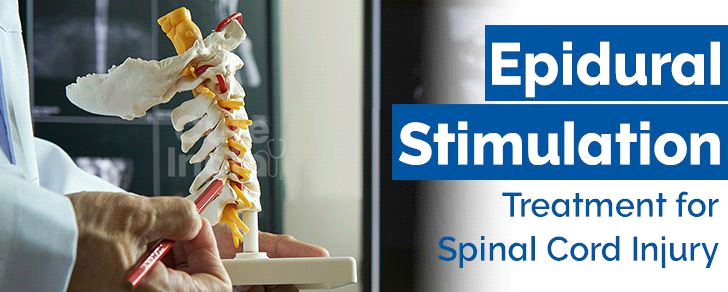
Spinal cord injury remains one of the most devastating neurological conditions, affecting hundreds of thousands of individuals worldwide each year. For decades, patients who sustained severe damage to their spinal cords were told that meaningful functional recovery was unlikely. However, a revolutionary technology known as epidural stimulation is rewriting this narrative, offering tangible hope where once there was very little.
What Is Epidural Stimulation?
Epidural stimulation is a neuromodulation technique that involves placing a small device, often referred to as a spinal cord chip, into the epidural space of the spinal column. This chip is connected to a neuro-stimulator, which generates carefully calibrated electrical impulses. These impulses are delivered to the spinal cord below the level of injury, effectively reactivating neural circuits that have been dormant since the time of the trauma.
Unlike traditional approaches that focus primarily on compensatory strategies, epidural stimulation works by restoring the spinal cord's intrinsic ability to coordinate movement and regulate autonomic functions. The electrical signals from the neuro-stimulator mimic the excitatory signals that the brain would normally send through the spinal cord, enabling neurons below the injury site to process and respond to both voluntary commands and sensory feedback.
How Does It Work?
The procedure is minimally invasive, which is one of its most significant advantages. During the implantation, a neurosurgeon places a thin electrode array into the epidural space, which lies between the vertebral bone and the protective dura mater covering the spinal cord. This array does not penetrate the spinal cord itself, making the procedure considerably safer than many traditional surgical interventions.
Once the electrode array is in position, it is connected to a small neuro-stimulator device, typically implanted just beneath the skin in the abdominal or lower back area. The neuro-stimulator is programmed by a clinical team to deliver specific patterns of electrical stimulation tailored to the individual patient's injury profile. The stimulation parameters, including frequency, amplitude, and pulse width, are carefully adjusted during initial programming sessions and refined over the course of treatment.
Who Is Eligible?
Epidural stimulation at NuRaX Care is available for patients with both complete and incomplete spinal cord injuries. The eligibility criteria have been designed to maximize the likelihood of meaningful outcomes while ensuring patient safety. Candidates typically meet the following requirements:
- Injury level between C4 and T10 vertebrae
- At least 6 months post-injury, allowing the acute phase of inflammation and spinal shock to resolve
- Age 16 years or older
- Medically stable with no active infections or uncontrolled systemic conditions
- Both complete (ASIA-A) and incomplete (ASIA-B, C, D) injuries are considered
Each patient undergoes a thorough evaluation, including advanced imaging, neurophysiological testing, and a detailed medical history review before being accepted into the program. This personalized assessment ensures that the treatment plan is aligned with the patient's specific clinical picture and goals.
Remarkable Benefits
The outcomes observed with epidural stimulation have been nothing short of remarkable. Patients who were previously unable to generate any voluntary movement below their injury level have demonstrated the ability to produce intentional muscle contractions, stand with support, and in some cases take assisted steps. These are milestones that were once considered impossible for individuals with complete spinal cord injuries.
Beyond motor recovery, many patients experience significant improvements in autonomic functions that profoundly affect quality of life. These include improved bladder and bowel control, better regulation of blood pressure and cardiovascular function, enhanced thermal regulation, and reduced spasticity. For many individuals, these autonomic benefits are just as life-changing as the motor gains, as they restore a level of independence and dignity that was previously lost.
The 30-40 Day Treatment Program
At NuRaX Care and Research Center, the epidural stimulation program is structured as a comprehensive 30 to 40-day treatment course. This program encompasses the entire journey from pre-operative evaluation through implantation, initial programming, and intensive rehabilitation. The first phase focuses on device implantation and wound healing, followed by the critical programming phase where clinicians optimize stimulation settings for the individual patient.
The rehabilitation component is integral to the program's success. Patients work daily with specialized physical therapists and rehabilitation specialists who guide them through activity-based exercises designed to leverage the enhanced neural connectivity provided by the stimulator. This combination of technological intervention and intensive therapy creates a synergistic effect that maximizes functional recovery.
Looking Ahead
Epidural stimulation represents a paradigm shift in how we approach spinal cord injury treatment. As the technology continues to evolve, with advances in electrode design, stimulation algorithms, and integration with rehabilitation protocols, the potential for even greater functional recovery continues to expand. At NuRaX Care, our multidisciplinary team remains committed to advancing this field and providing patients with access to the most innovative treatments available, turning what was once considered permanent paralysis into a condition with real therapeutic options.