
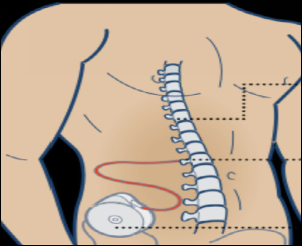
Intrathecal Baclofen Pump: Managing Severe Spasticity with Precision
The ITB pump delivers baclofen directly to the spinal cord, achieving profound spasticity reduction with 100–1000x lower doses than oral therapy and minimal systemic side effects.
Expert insights, research breakthroughs, and patient stories from the world of neuromodulation therapies.
Bladder and bowel dysfunction affect hundreds of millions of people worldwide, profoundly impacting quality of life, social participation, professional activity, and psychological wellbeing. Conditions such as overactive bladder (OAB), urgency urinary incontinence, non-obstructive urinary retention, and fecal incontinence are among the most common and most stigmatized chronic health problems — yet many patients suffer in silence, unaware that effective, evidence-based neuromodulation treatments exist.
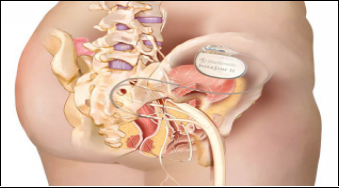
Sacral Nerve Stimulation (SNS) — also known as sacral neuromodulation — is an FDA-approved therapy that has transformed the management of refractory bladder and bowel dysfunction for more than two decades. By delivering continuous low-amplitude electrical stimulation to the sacral nerve roots that control bladder, sphincter, and bowel function, SNS modulates the dysfunctional neural circuits responsible for these conditions, restoring more normal patterns of organ control without the side effects associated with pharmacological management.
Normal bladder and bowel function depends on a precisely coordinated interplay between the peripheral sacral nerves, the spinal cord, and higher brain centers. The sacral nerve roots — particularly S3 — carry both sensory afferent signals from the bladder and rectum to the brain, and motor efferent signals that control the detrusor muscle of the bladder, the external urethral sphincter, and the pelvic floor musculature.
In overactive bladder, abnormal sensory signaling from the bladder generates premature and inappropriate urgency signals that override voluntary control, producing urgent, frequent, and often incontinent voiding. In urinary retention, dysfunctional coordination between detrusor contraction and sphincter relaxation impairs bladder emptying despite intact voluntary effort. Fecal incontinence typically results from impaired sphincter coordination and reduced rectal sensory awareness. SNS intervenes at the level of the sacral nerve root, modulating both sensory and motor components of this control system to restore more physiological function.
Like other neuromodulation therapies, SNS proceeds through a two-stage process beginning with a reversible trial stimulation period. During the trial, a tined lead electrode is placed percutaneously into the S3 sacral foramen under fluoroscopic guidance while the patient lies prone. The lead is connected to an external neurostimulator worn on a belt. Over a period of one to four weeks, the patient keeps a voiding diary and symptom log to objectively document the response. A reduction of 50% or more in key symptoms — urgency episodes, incontinence leakage, daily voids, or catheterization volume — defines a successful trial.
If the trial succeeds, a permanent implantable pulse generator (IPG) is placed subcutaneously in the upper buttock during a brief surgical procedure, typically under sedation and local anesthesia. The trial lead may be left in place permanently or replaced with a formal tined lead. The permanent IPG is programmable and can be adjusted by the clinical team as symptoms change over time. Rechargeable IPG options now extend device longevity to fifteen years or more.
Sacral nerve stimulation is unique among neuromodulation therapies in that it addresses one of the most common and most undertreated causes of reduced quality of life — the loss of bladder and bowel control — with a minimally invasive, reversible, and highly effective intervention.
The evidence base for SNS is among the strongest in the neuromodulation field, supported by randomized controlled trials, long-term registry studies, and more than twenty years of real-world clinical experience:
Antimuscarinic and beta-3 agonist medications for OAB produce only modest symptom reduction (20–30% improvement) and carry a substantial side effect burden including dry mouth, constipation, cognitive impairment, and increased fall risk — particularly relevant in older patients. SNS avoids all systemic drug side effects and produces effects that are generally two to three times more robust than pharmacological alternatives.
Furthermore, SNS effects are fully reversible — the device can be turned off or removed at any time if the patient wishes to discontinue therapy — making it an exceptionally low-risk intervention for a non-life-threatening but profoundly quality-of-life-impairing condition.
At NuRaX Care and Research Center, our specialists offer comprehensive evaluation and management of bladder and bowel dysfunction, with expertise in the full range of conservative, pharmacological, and neuromodulation interventions including SNS. If you or a family member is struggling with these conditions, we encourage you to seek a consultation — effective, minimally invasive help may be within reach.
Continue exploring our latest insights on neuromodulation therapies.
The ITB pump delivers baclofen directly to the spinal cord, achieving profound spasticity reduction with 100–1000x lower doses than oral therapy and minimal systemic side effects.
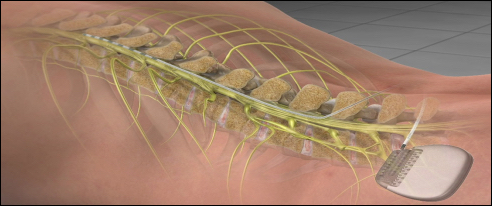
SCS achieves sustained relief for failed back surgery syndrome, CRPS, diabetic neuropathy, and other refractory chronic pain conditions that haven't responded to conventional treatment.
Schedule a consultation with our specialists and discover how neuromodulation therapies can transform your life.
Book Your Consultation