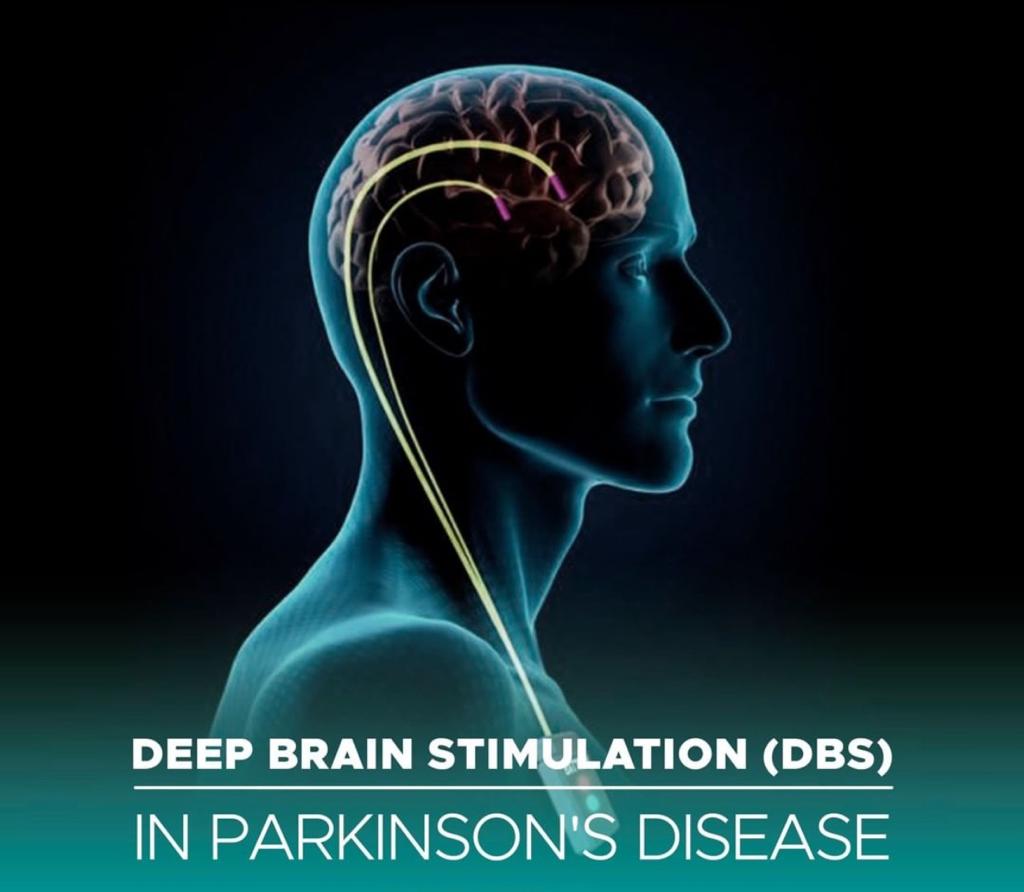
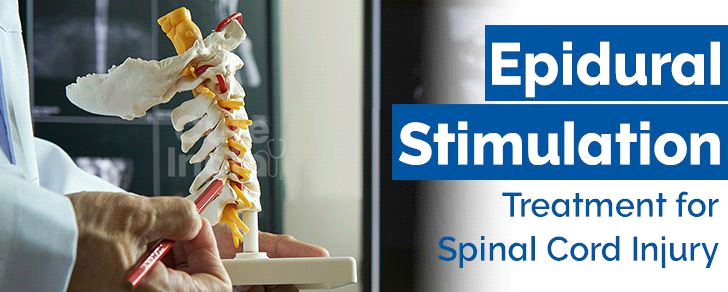
Embarking on a neuromodulation therapy journey can feel overwhelming. Whether you are considering Deep Brain Stimulation for Parkinson's disease, Vagus Nerve Stimulation for epilepsy, or Epidural Stimulation for spinal cord injury, understanding what lies ahead at each stage can help ease uncertainty and empower you to make informed decisions. This guide walks you through every step of the process at NuRaX Care and Research Center, from your very first consultation to long-term follow-up care.
Your First Consultation
The journey begins with a comprehensive neurological evaluation. During your initial consultation, our specialists review your complete medical history, examine diagnostic imaging and test results, and perform a thorough neurological examination. This helps determine which neuromodulation therapy, if any, is best suited to your condition.
NuRaX offers remote consultations for international patients, allowing initial evaluations without travel. Through secure video conferencing, our neurologists can review medical records, discuss symptoms and treatment goals, and provide preliminary recommendations. This initial assessment helps patients understand their options before committing to travel for in-person evaluation and treatment.
Choosing the Right Treatment
Based on the evaluation, our multidisciplinary team recommends the most appropriate therapy. The range of neuromodulation options available at NuRaX includes:
- Deep Brain Stimulation for movement disorders like Parkinson's disease and essential tremor, targeting specific brain circuits to reduce motor symptoms and improve quality of life.
- Spinal Cord Stimulation for chronic neuropathic pain conditions, delivering electrical pulses to the spinal cord to interrupt pain signaling and provide relief.
- Vagus Nerve Stimulation for drug-resistant epilepsy, modulating brain activity through the vagus nerve to reduce seizure frequency and severity.
- Epidural Stimulation for spinal cord injury rehabilitation, activating dormant neural pathways below the level of injury to restore voluntary movement and autonomic function.
Each treatment is explained in detail, including expected outcomes, risks, and alternatives, empowering patients to make informed decisions. Our team takes the time to answer every question and ensures that patients and their families fully understand what each therapy involves before proceeding.
Pre-Surgical Preparation
Once a treatment plan is agreed upon, preparation begins. This phase is critical for ensuring the safest and most effective surgical outcome. Pre-surgical preparation typically includes:
- Medical clearance from your primary care physician, confirming you are fit for surgery and anesthesia.
- Medication adjustments as needed, including tapering or modifying certain medications that could affect surgery or recovery.
- Advanced imaging (MRI, CT) for precise surgical planning, creating detailed maps of the target anatomy to guide electrode placement.
- Comprehensive patient education about the procedure, including what to expect on the day of surgery, potential risks, and the recovery timeline.
- Pre-operative neuropsychological testing when applicable, establishing baseline cognitive function for comparison after treatment.
International patients receive detailed travel and accommodation guidance, including visa assistance, airport transfers, and recommended nearby lodging. Our patient coordination team ensures that every logistical detail is handled, allowing patients to focus entirely on their health and recovery.
The Day of Surgery
On the day of surgery, patients arrive at the surgical center for final pre-operative checks. The surgical team confirms all imaging, reviews the treatment plan, and addresses any last-minute questions. Anesthesia is administered according to the specific procedure -- some interventions, such as certain DBS implantations, may involve awake surgery to allow real-time testing of device placement.
The surgical team, led by experienced neurosurgeons, performs the implantation with meticulous precision. Intraoperative testing ensures optimal device placement, verifying that the electrodes are positioned to deliver maximum therapeutic benefit. Most neuromodulation procedures take 1-4 hours depending on complexity, with the surgical team providing regular updates to family members throughout the process.
At NuRaX, every surgical procedure is performed by a team that has collectively completed thousands of neuromodulation implantations, ensuring patients receive care that meets the highest international standards.
Post-Operative Care
After surgery, patients are monitored in recovery with close attention to neurological status, vital signs, and wound healing. Initial device programming may begin before discharge, depending on the specific therapy and the surgeon's protocol.
Wound care instructions and medication guidance are provided in clear, written documentation that patients take home. Most patients are discharged within 1-3 days, depending on the procedure and individual recovery progress. Clear guidelines for activity levels and restrictions during healing are reviewed with both the patient and their caregivers, covering topics such as incision care, bathing, driving, and return to work timelines.
Rehabilitation and Programming
For many neuromodulation therapies, rehabilitation is key to optimal outcomes. The post-surgical rehabilitation phase varies significantly depending on the specific treatment:
- Physical and occupational therapy tailored to your condition, with therapists experienced in neuromodulation rehabilitation protocols.
- Device programming sessions to optimize stimulation parameters, adjusting amplitude, pulse width, frequency, and contact configurations for maximum benefit.
- Milestone tracking to measure progress, using standardized assessments and patient-reported outcomes to evaluate improvement over time.
- For epidural stimulation patients, intensive 12-week rehabilitation programs that combine stimulation with targeted physical therapy to maximize recovery of motor and autonomic function.
- For DBS patients, iterative programming over several weeks to find ideal settings, with concurrent medication adjustments to optimize the combined therapeutic effect.
The programming process is a collaborative effort between the patient and the clinical team. Patients are encouraged to keep detailed journals of their symptoms, noting how they respond to different stimulation settings throughout their daily activities. This information is invaluable for fine-tuning parameters during programming visits.
Long-Term Follow-Up
Neuromodulation is a long-term therapy requiring ongoing care to maintain optimal results. The commitment to follow-up is just as important as the surgery itself. Long-term care at NuRaX includes:
- Regular check-ups to monitor device function and battery status, ensuring the system operates reliably and efficiently.
- Programming adjustments as needed for optimal symptom control, since therapeutic needs may change as the underlying condition evolves.
- Medication reviews and adjustments to ensure the best combination of pharmacological and device-based therapy.
- Quality of life assessments using validated instruments to track improvements and identify areas where additional support may be beneficial.
- Battery replacement scheduling when needed, planned well in advance to avoid any interruption in therapy.
NuRaX provides global follow-up coordination for international patients. Through our network of partner clinics and telemedicine capabilities, patients can receive routine programming and monitoring closer to home, with our specialists available for remote consultations and complex programming decisions. This ensures continuity of care regardless of where patients live.
The NuRaX Difference
What sets NuRaX apart is our multidisciplinary team approach, with neurologists, neurosurgeons, rehabilitation specialists, and programming experts working together seamlessly. Every patient's care is coordinated through a unified team, ensuring that no aspect of treatment falls between the cracks and that clinical decisions reflect the full picture of the patient's needs.
Our global network across 10+ countries ensures patients receive consistent care regardless of location. From Dubai to Baku, from Istanbul to Tashkent, the NuRaX standard of excellence is maintained at every center. International patients benefit from multilingual staff, culturally sensitive care, and streamlined processes designed to make cross-border healthcare as seamless as possible.
From your first consultation to long-term follow-up, you are never alone on your neuromodulation journey. Every member of the NuRaX team is committed to supporting you through each milestone, celebrating your progress, and ensuring you receive the maximum benefit from your therapy for years to come.
If you are considering neuromodulation therapy and want to learn more about what the journey involves, we invite you to reach out to our team. Whether you are in the early stages of exploring your options or ready to take the next step, NuRaX is here to guide you every step of the way.